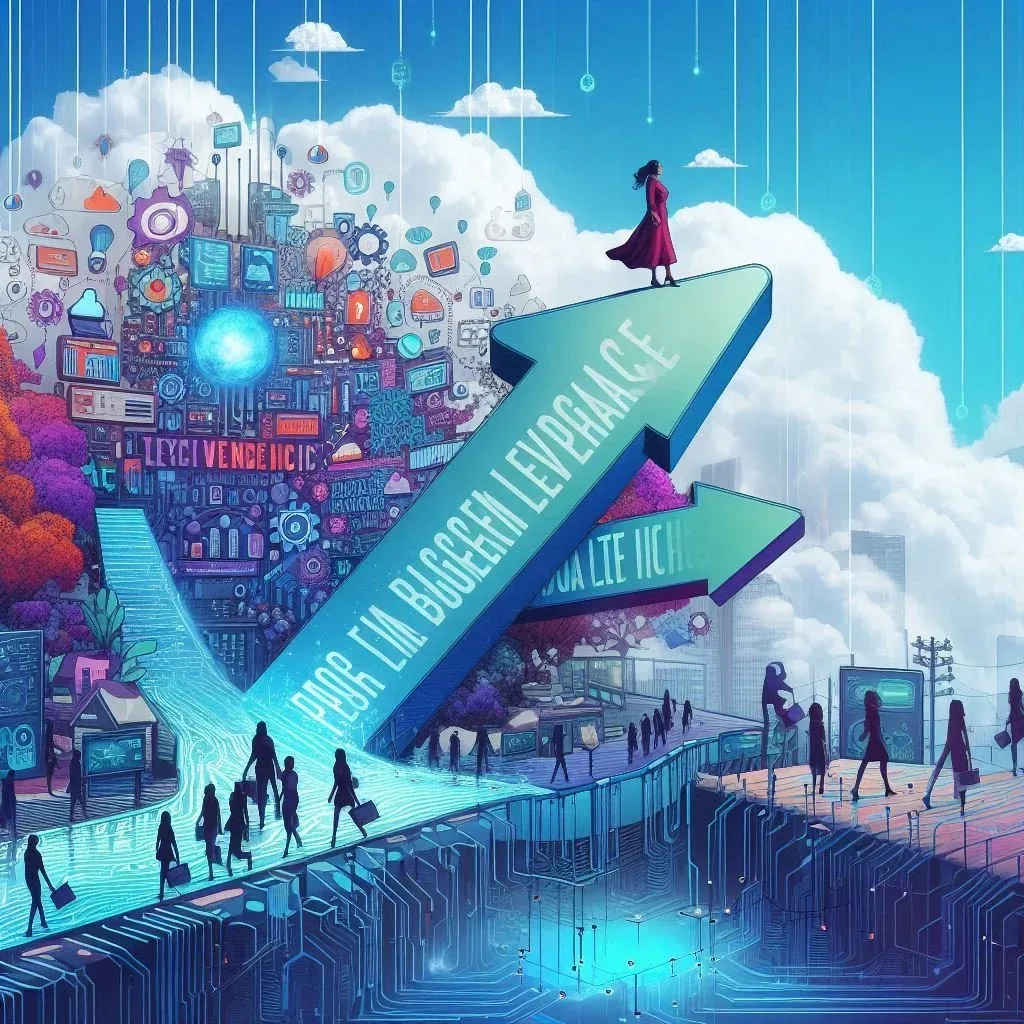
Transforming Engineering: The Integration of AI and Its Impact on the Future
The field of engineering is undergoing a significant transformation, driven by the rapid advancement and integration of artificial intelligence (AI) technologies. This evolution is not merely about how engineers do their jobs, but what those jobs entail. Today's engineers are expected to go beyond coding; they must also focus on solving more complex, impactful problems, often using AI as a central tool.
The New Role of Engineers
Beyond Coding: Engineers as Architects and Coaches
The traditional image of engineers as primarily coders is quickly becoming outdated. In today's AI-driven engineering environment, engineers are expected to act as both architects and coaches. This shift means that engineers must develop a deeper understanding of software architecture and the broader system in which their code operates. They are also tasked with coaching less experienced team members, spreading knowledge and best practices in AI technologies.
Leveraging AI Toolchains
With the advent of sophisticated AI toolchains, engineers now have the power to enhance their productivity and tackle more significant challenges. These tools can automate routine tasks, analyze vast amounts of data, and provide insights that were previously unattainable. By incorporating AI toolchains into their workflow, engineers can focus on creative problem-solving and innovation.
Predictions for the Future
Who Will Lead the Way?
As AI continues to permeate engineering, the leaders in this new era will likely be those who can best integrate AI tools into their processes and foster an environment of continuous learning and adaptation. Companies and individuals that remain agile, continually updating their skills and methodologies to incorporate new AI advancements, will be well-positioned for success.
The Future of Engineering Work
In the future, engineering tasks will become more strategic and impact-driven, thanks to AI's ability to handle complex calculations and repetitive tasks. Engineers will spend more time designing systems that leverage AI capabilities and less time on traditional coding. This shift will not only change the nature of engineering jobs but also the skills required to perform them effectively.
Navigating the Shift: What Engineers Need to Do
Embrace Lifelong Learning
To stay relevant in an AI-integrated engineering landscape, engineers must embrace lifelong learning. This means staying updated with the latest developments in AI technology and related fields. Online courses, workshops, and seminars can provide valuable knowledge and skills updates.
Develop Soft Skills
As the role of an engineer evolves, soft skills such as leadership, teamwork, and communication are becoming increasingly important. Engineers must be able to articulate complex concepts to non-experts, collaborate across disciplines, and lead teams effectively.
How Can Leaders Adapt?
Fostering an AI-Ready Culture
Leaders in engineering organizations must foster a culture that embraces AI and its potential. This involves providing training, encouraging experimentation, and supporting a fail-fast mentality. By creating an environment where engineers feel comfortable utilizing AI tools and sharing their knowledge, organizations can maximize their technological investments.
Strategic Planning and Resource Allocation
To effectively integrate AI into engineering processes, leaders must strategically plan and allocate resources. This includes investing in the right AI tools, hiring talent with AI expertise, and continually assessing the impact of AI on their operations.
Conclusion
The integration of AI into engineering is more than just a technological upgrade; it is a fundamental shift in how engineers work and what is expected of them. This change requires both a new set of skills and a new mindset. For those willing to adapt, the future of engineering offers exciting opportunities for growth, innovation, and leadership. As AI continues to evolve, so too will the role of the engineer, forever changing the landscape of the engineering industry.